
There’s a peculiar paradox in human behavior. We all want to visit Orlando when it’s “perfect,” yet we collectively define “perfect” as the worst possible times: packed parks, punishing heat, and prices that make your credit card weep. These busy times, such as school holidays and major events, see higher attendance and longer waits. To make the most of your visit during a busy time, it’s wise to arrive early at the parks, especially during major holidays or school breaks, to enjoy attractions before the crowds build. Planning ahead is crucial, making dining reservations in advance during busy times ensures you get your preferred options. Also, keep in mind that daytime temperatures can influence your travel plans and what you pack. Weekdays are generally less crowded than weekends, even during less busy seasons, so plan accordingly to maximize your experience.
The truth? Orlando’s actual sweet spot sits quietly between Halloween’s last candy wrapper and Christmas’s first carol. It’s the window most people overlook, and that’s precisely why it’s so good. If you want to experience fewer crowds and better prices, try to avoid major holidays when planning your next trip. The first week of certain months, like early February, can offer a quieter experience before crowds build. During peak periods, families flock to Orlando for a summer visit or during school holidays, and spring breakers also contribute to larger crowds. For those visiting in the summer, don’t miss Volcano Bay, a popular water park perfect for cooling off.
Introduction to Orlando
Orlando, Florida, is the ultimate playground for families and thrill-seekers alike, drawing millions each year to its legendary theme parks like Walt Disney World and Universal Orlando Resort. But the city’s magic doesn’t stop at roller coasters and Disney princess encounters. From the enchanting wizarding world of Harry Potter to sun-drenched nature reserves and nearby beaches, Orlando offers a magical trip for the whole family, no matter your age or interests.
When you plan your next trip to Orlando, timing is everything. The best time to visit Orlando isn’t just about chasing perfect weather, it’s about sidestepping the tidal wave of holiday crowds that descend during school vacation periods, spring break, and summer vacation. Visit Orlando during peak season, and you’ll find yourself navigating larger crowds, longer wait times, and premium prices for everything from park tickets to hotel rooms. The holiday season, with its elaborate decorations and festive parades, is a sight to behold, but it also brings some of the busiest times of the year, especially around the Walt Disney World Marathon and major holidays like Christmas and New Year’s. Hurricane season in Orlando runs from June through November, peaking around September, so keep this in mind when planning your trip.
If you’re hoping for fewer crowds and more manageable lines at Magic Kingdom or Universal’s Halloween Horror Nights, consider planning your visit during the shoulder seasons. Early August, just after summer break but before the back-to-school rush, can offer a fantastic time with cooler weather and shorter lines. Late summer and early fall bring special events like the EPCOT International Food & Wine Festival and the EPCOT International Flower & Garden Festival, which typically runs from late February through May, turning the parks into a culinary and botanical wonderland. Just remember, planning ahead is key, especially around Labor Day, Halloween, and other special events that can draw in the crowds.
Staying on site at a Disney or Universal hotel can give you a head start on the day with perks like Early Park Admission, helping you make the most of your time to visit Orlando’s top attractions. And if you’re looking to avoid the busiest times, aim for mid-August to early November (excluding the spooky season’s peak), or the second week of June before the summer months hit full swing. Whether you’re dreaming of a merry Christmas party, a magical escape into the wizarding world, or simply basking in perfect weather, the best times to visit Orlando are those that let you enjoy the magic at your own pace, without the stress of peak season crowds. In winter (January–February), crowds drop to their lowest levels, making it the quietest time for visits.
The Crowd Calendar Doesn’t Lie (And Neither Do Twenty Years of Data)
Here’s something the theme park industry has known for decades but hopes you won’t notice: early November through mid-December represents some of the lowest crowd levels of the entire year, with mid November being an especially ideal window for lower crowds.
According to Undercover Tourist’s crowd data, compiled from over 20 years of wait time statistics and hotel booking trends, the period between Halloween and Thanksgiving consistently shows crowd levels in the 3-5 range on their 10-point scale, with some November days dropping as low as 1-2.
What does this mean for you? The first week of November and early December are particularly good for avoiding crowds, with the first two weeks of November and early December offering a “brief calm before the holiday storm,” according to WDW Prep School’s detailed crowd analysis. You’re looking at 15-20 minute waits instead of 90-minute marathons. You’re experiencing attractions instead of queuing for them.
The behavioral psychology here is fascinating. Most families anchor their vacation planning to school breaks and major holidays: Christmas, spring break, summer. School holidays and school holiday periods are the main drivers of increased attendance, making these the busiest and most crowded times. During these busy times, families flock to Orlando’s attractions, and in spring, spring breakers also contribute to crowd surges. The result? A self-fulfilling prophecy of crowds during every busy time.
You, however, can do something different. Consider planning your visit during alternative low-crowd periods such as late January or early February, which are also known for lighter attendance. To avoid the busiest crowds, it’s best to avoid major holidays when planning your trip.
Weather That Goldilocks Would Approve
Florida in summer is like standing in a steam room while someone periodically dumps buckets of water on your head. Florida in January can surprise you with 50-degree mornings. But Florida in November and early December? Temperatures in the fall cool from the high 80s °F in September to the mid-70s °F by November, offering a much more comfortable climate for outdoor activities and theme park visits.
According to the U.S. National Centers for Environmental Information, November ranks as Orlando’s least rainy month, with nearly every day warming to over 70°F (21°C) and average highs reaching 76°F (24.5°C). Daytime temperatures are pleasantly mild, making it comfortable for outdoor activities throughout the day.
 Sun-drenched theme park filled with comfortable crowds enjoying a beautiful day under blue skies.
With only 10 rainy days on average (fewer than any other month) and 6.2 hours of daily sunshine, November offers ideal outdoor conditions without summer’s intense heat and humidity.
The numbers tell a compelling story:
Here’s the detail most people miss: hurricane season officially ends November 30, meaning late November travel carries virtually zero storm risk. You get the tail end of summer warmth without summer weather chaos.
The Magic Officially Begins (Without the Madness)
As spooky season winds down in late October, Disney World and Universal Orlando quickly shift gears to kick off their holiday celebrations. This festive period is packed with a variety of holiday celebrations across all the parks, from dazzling decor to themed entertainment.
The EPCOT International Festival of the Holidays launches November 28 (the day after Thanksgiving) and runs through December 30, featuring the iconic Candlelight Processional, Holiday Kitchens from around the world, and storytellers sharing global holiday traditions. EPCOT festivals are a highlight of the season, with EPCOT’s international food offerings taking center stage. The food and wine festival, along with other EPCOT events, draws visitors eager to experience unique culinary delights and seasonal entertainment.
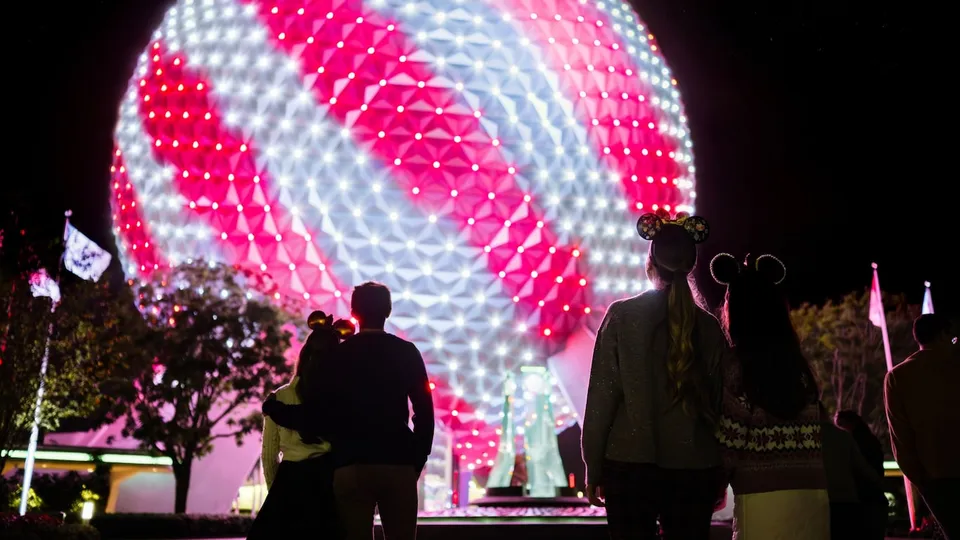
EPCOT’s illuminated Spaceship Earth with holiday decorations
Universal Orlando’s holiday celebration begins even earlier, on November 21, bringing Christmas in The Wizarding World of Harry Potter, Grinchmas at Seuss Landing, and the spectacular Universal’s Holiday Parade featuring Macy’s, complete with giant balloons and an 80-foot Christmas tree lighting.
Think about what you’re getting: full holiday decorations, seasonal shows, special events like dance parties as part of the nighttime entertainment, and a festive atmosphere, but before the peak crowd surge hits. During this time, Disney World transforms into a magical place and a true winter wonderland, offering guests an enchanting experience before the busiest days arrive. It’s the equivalent of getting front-row seats to a sold-out show because you knew about the dress rehearsal.
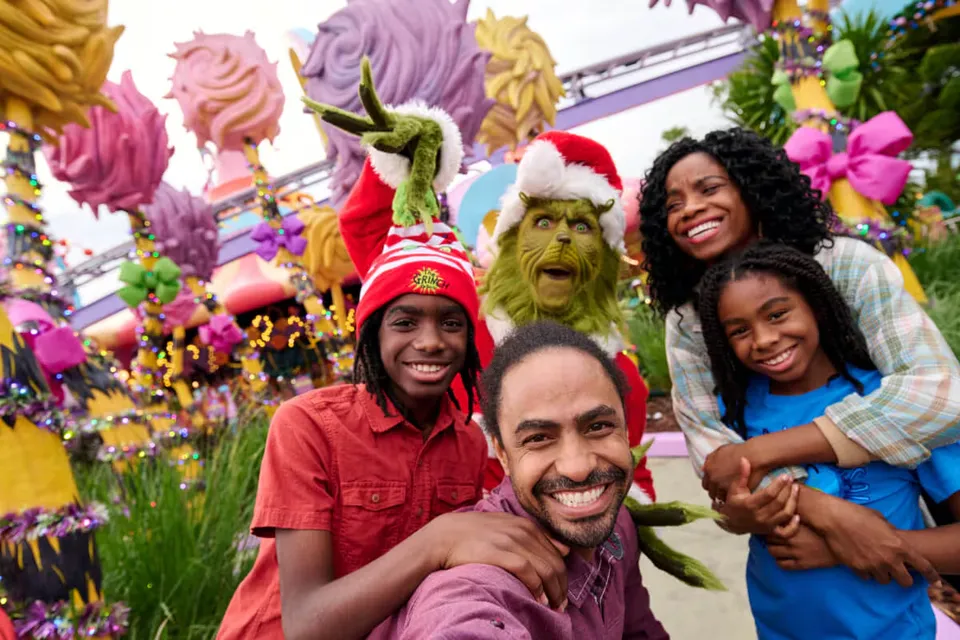
The Grinch meeting at Universal’s Seuss Landing with holiday decorations
The psychology of “holiday magic” is potent. Disney and Universal know this. They invest millions in decorations and entertainment. They don’t wait until December 23rd to flip the switch. They create six weeks of holiday atmosphere because it drives value. The question is: why experience it shoulder-to-shoulder when you could enjoy it comfortably?
Your Wallet Will Thank You (and So Will Fewer Crowds)
Let’s talk money. Not because you’re cheap, but because you’re smart.
According to Expedia’s analysis of domestic flight data, November is consistently the cheapest month to fly to Orlando, with booking 28 days or more in advance typically saving 24% compared to last-minute purchases.
The savings cascade:
- Flights: November sees the lowest airfare of the year
- Hotels:Industry data from HVS Orlando shows November historically posting strong performance at lower rates compared to peak season, with ADR (Average Daily Rate) in the $125 range versus December’s premium pricing.
- Park Tickets: Many days fall into Disney’s “value” pricing tier
- Dining: Making dining reservations in advance helps secure your preferred options and avoid paying premium prices for Dining Packages during busy periods, so easier reservations mean you’re not paying extra just to guarantee seats
Here’s the irony: you’re paying less to experience more. Better weather than summer. Holiday decorations and events. Shorter lines. Lower prices.
The economist Richard Thaler would call this “mental accounting” done right. You’re not just saving money; you’re dramatically increasing the value ratio of every dollar spent.
The Hurricane Season Finale
There’s something psychologically liberating about this fact: Hurricane season officially ends November 30, with only a 2-4% probability of a named storm in November and virtually zero risk of major hurricanes.

Travel insurance? Still wise. Weather worry? Minimal. Compare this to September and October (often touted as “shoulder season” deals) which sit squarely in peak hurricane season. November gives you the shoulder season benefits without the weather anxiety.
This is what behavioral economists call “reducing negative optionality.” You’re eliminating a low-probability but high-impact risk factor entirely. Your vacation planning stays vacation planning, not disaster contingency planning.
The Honest Truth About Timing
Not everything is perfect. Let’s be clear about the trade-offs:
The Early-November Sweet Spot (November 1-20): Exceptional value, lower crowds, great weather. Trade-off? Holiday decorations aren’t fully up until mid-month at some locations. If you’re looking for an even quieter window, consider mid November, late January, or early February, when crowds are typically lower and you can enjoy the parks without the busy times that come with school holidays.
Thanksgiving Week (November 21-30): Holiday events in full swing, decorations everywhere. Trade-off? Crowds spike during Thanksgiving week itself, especially November 27-30, as families flock to Orlando for school holiday breaks. This is a busy time, with both families and early spring breakers starting to arrive.
Early December (December 1-15): Often the absolute sweet spot. Full holiday atmosphere, manageable crowds before the Christmas rush. According to WDW Prep School’s analysis, the first week of December (December 1-5) represents moderate crowds with early Christmas decorations plus lower traffic before the holiday storm. This period is ideal for experiencing the magical place that is Disney World during its holiday celebrations, as the parks transform into a winter wonderland. The first two weeks of December are often less crowded than the weeks leading up to Christmas, making it a prime time for visitors seeking a balance of festive atmosphere and shorter lines.
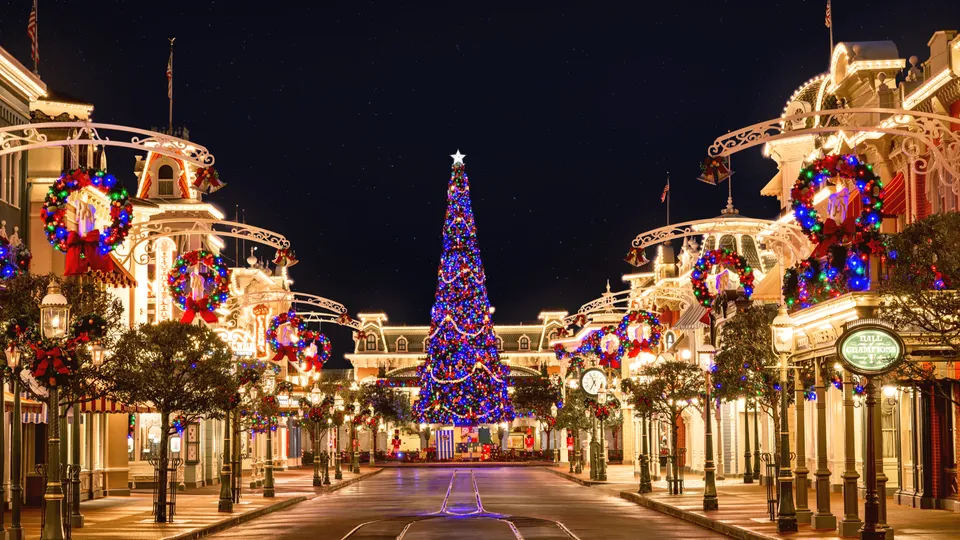
Mid-December (December 16-25): Crowds build exponentially. If you’re visiting this period, you’re accepting peak pricing and maximum crowds for maximum holiday atmosphere. The end of spooky season gives way to full holiday celebrations, making the parks feel like a true winter wonderland.
The savvy move? Target November 1-20, mid November, late January, early February, or December 1-15. Book Thanksgiving week only if you specifically want the holiday itself in Orlando and accept the trade-off. Remember, busy times also occur when Easter falls in March or April, as spring breakers and families on school holidays surge into the parks. Memorial Day is another peak period when crowds increase and special events take place.
Your Decision, Simplified
So here are the facts:
- ✓ Crowds: 60-70% lower than peak season in early November and early December
- ✓ Weather: 76°F averages, lowest rainfall of the year, hurricane season over
- ✓ Value: Cheapest flight month, lower hotel rates, better park ticket pricing
- ✓ Events: Full holiday decorations and special programming from late November onward
- ✓ Experience: Shorter lines mean more attractions, better dining availability, less stress
This isn’t about finding a “hack” or exploiting a loophole. It’s about understanding how supply, demand, and seasonal patterns create windows of exceptional value.
Most people won’t read this article. Most people will book Christmas week or summer vacation. That’s fine. It means more space for you.
The question isn’t whether Orlando is magical during this period. It is. The question is whether you’re willing to make a choice that’s slightly unconventional (November isn’t when “everyone” goes) to gain a dramatically better experience.
Your vacation days are limited. Your budget isn’t infinite. Why not use both wisely?
Ready to Plan Your Sweet-Spot Orlando Escape?
Now that you understand why this window exists and why it works, the next step is simple: find the perfect home base for your Orlando adventure.
Consider staying in a vacation rental that gives you the space, amenities, and location to maximize your smart timing. Whether you’re looking for a resort community near the parks or a peaceful retreat after your park days, the right accommodation transforms a good vacation into an exceptional one.
Explore vacation rental options in Orlando at Global Vacation Rentals and discover why families who understand Orlando’s sweet spot choose the space and value of a vacation home.
Your November or early December Orlando adventure is calling. The parks are waiting, the weather is cooperating, and the crowds are elsewhere.
Book smart. Travel well. Experience Orlando when it’s actually at its best.
Article researched and verified with data from Visit Orlando, Undercover Tourist crowd calendars, U.S. National Centers for Environmental Information weather data, Walt Disney World and Universal Orlando official event schedules, and aviation industry pricing analytics.